Understanding the Creative Process
Creativity is often seen as an elusive quality, but for graphic designers, it is a structured process that combines innovation with functionality. My unique creative process is a blend of inspiration, exploration, and execution, which I believe is essential for producing compelling designs. In this blog post, I will take you through the various stages of my creative process and how each contributes to the final outcome of my graphic design projects.
Stage 1: Inspiration and Ideation
The first stage of my creative process is all about gathering inspiration. This is where I allow myself to explore various sources that spark my creativity.
Sources of Inspiration
- Nature: The colors, shapes, and textures found in the natural world often inspire my designs.
- Art and Culture: Visiting museums, galleries, and cultural events can ignite new ideas.
- Social Media: Platforms like Pinterest and Instagram are great for discovering trends and innovative designs.
- Books and Magazines: Reading design-related publications helps to broaden my perspective.
Brainstorming Techniques
Once I have gathered enough inspiration, I move on to brainstorming. Here are a few techniques I employ:
- Mind Mapping: Visualizing ideas through diagrams helps in connecting thoughts.
- Sketching: Quick sketches allow me to visualize concepts without overthinking.
- Word Association: Writing down words related to the project can lead to unexpected ideas.
Stage 2: Research and Exploration
With a collection of ideas in hand, the next step is research. This phase is crucial for understanding the context of the project and ensuring that my designs are relevant and effective.
Understanding the Audience
Identifying the target audience is essential for creating designs that resonate. I consider the following:
- Demographics: Age, gender, location, and interests.
- Needs: What problems does the audience face that my design can address?
- Preferences: What styles and aesthetics appeal to them?
Analyzing Competitors
Researching competitors helps me to identify trends and gaps in the market. I look for:
- Visual styles: What colors, fonts, and layouts are commonly used?
- Brand messaging: How do competitors communicate with their audience?
- Unique selling points: What sets them apart from others?
Stage 3: Concept Development
After thorough research, I move on to developing concepts. This is where I refine my ideas into tangible designs.
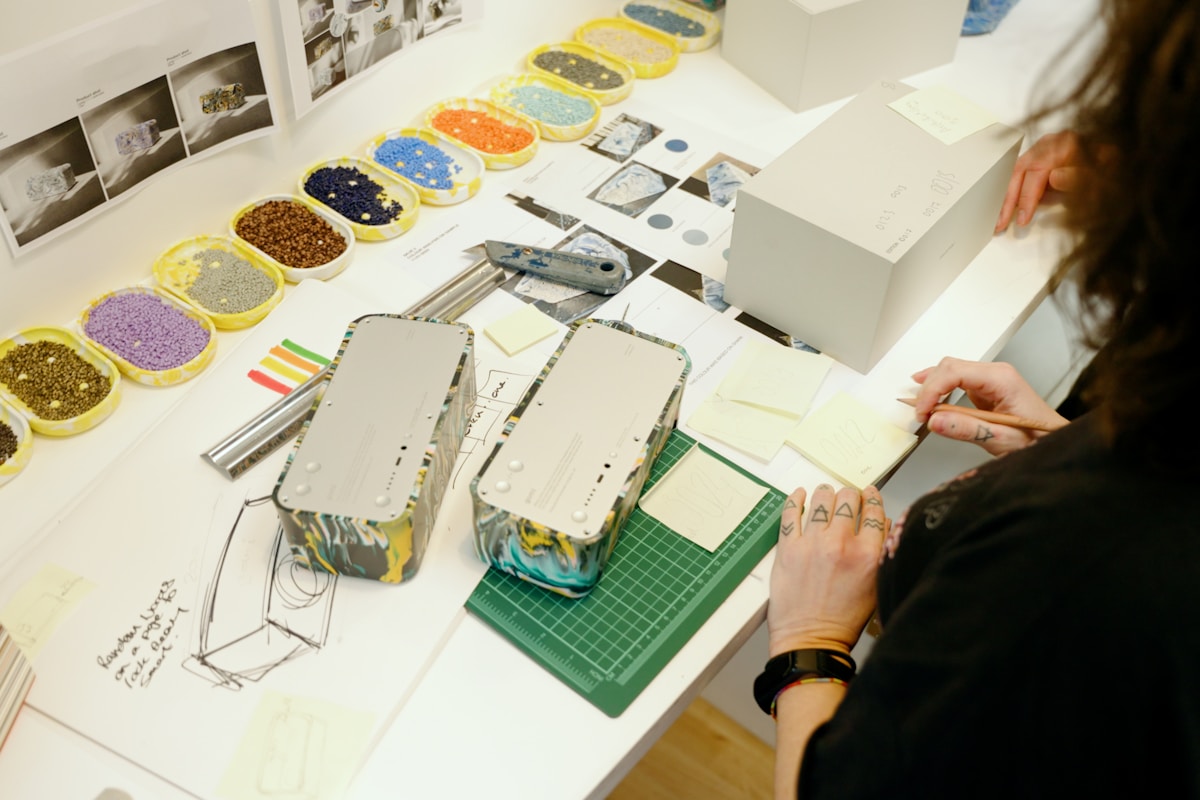
Creating Mood Boards
Mood boards are visual collages that help set the tone for the project. They include:
- Color palettes: Selecting colors that evoke the desired emotions.
- Typography: Choosing fonts that align with the brand’s voice.
- Imagery: Collecting images that inspire the overall aesthetic.
Drafting Initial Designs
Using the mood board as a guide, I create initial drafts of my designs. This is an iterative process where I:
- Experiment with layouts and compositions.
- Incorporate feedback from peers or clients.
- Refine elements until they align with the project goals.
Stage 4: Execution and Refinement
The execution phase is where the magic happens. I take my drafts and turn them into polished designs.
Utilizing Design Software
I primarily use software tools such as:
- Adobe Illustrator: For vector graphics and illustrations.
- Adobe Photoshop: For photo editing and raster graphics.
- Figma: For user interface and web design projects.
Iterative Feedback Loop
Throughout the execution phase, I maintain an iterative feedback loop:
- Present drafts to stakeholders for input.
- Make adjustments based on constructive criticism.
- Test designs in real-world scenarios, if applicable.
Stage 5: Finalization and Delivery
Once the designs have been refined to meet all project requirements, I move to the finalization stage.
Preparing Files for Delivery
It’s crucial to prepare the final files correctly:
- Exporting designs in various formats (PNG, JPEG, SVG, etc.).
- Ensuring that files are optimized for web and print.
- Creating style guides to maintain brand consistency.
Client Presentation
Presenting the final designs to clients is an important step:
- Explain the design choices and how they align with the project goals.
- Provide insights into the creative process and research.
- Discuss potential future projects or extensions of the current work.
Conclusion
My creative process is a structured yet fluid journey that combines inspiration, research, concept development, execution, and finalization. By blending innovation with functionality, I strive to create graphic designs that not only look good but also serve a purpose. Understanding and refining this process has been key to my success as a graphic designer, and I hope this insight into my creative journey inspires others in their own design endeavors.